 1568 Reviews



Can Worn Tires Increase the Risk of Hydroplaning?

February 28, 2025
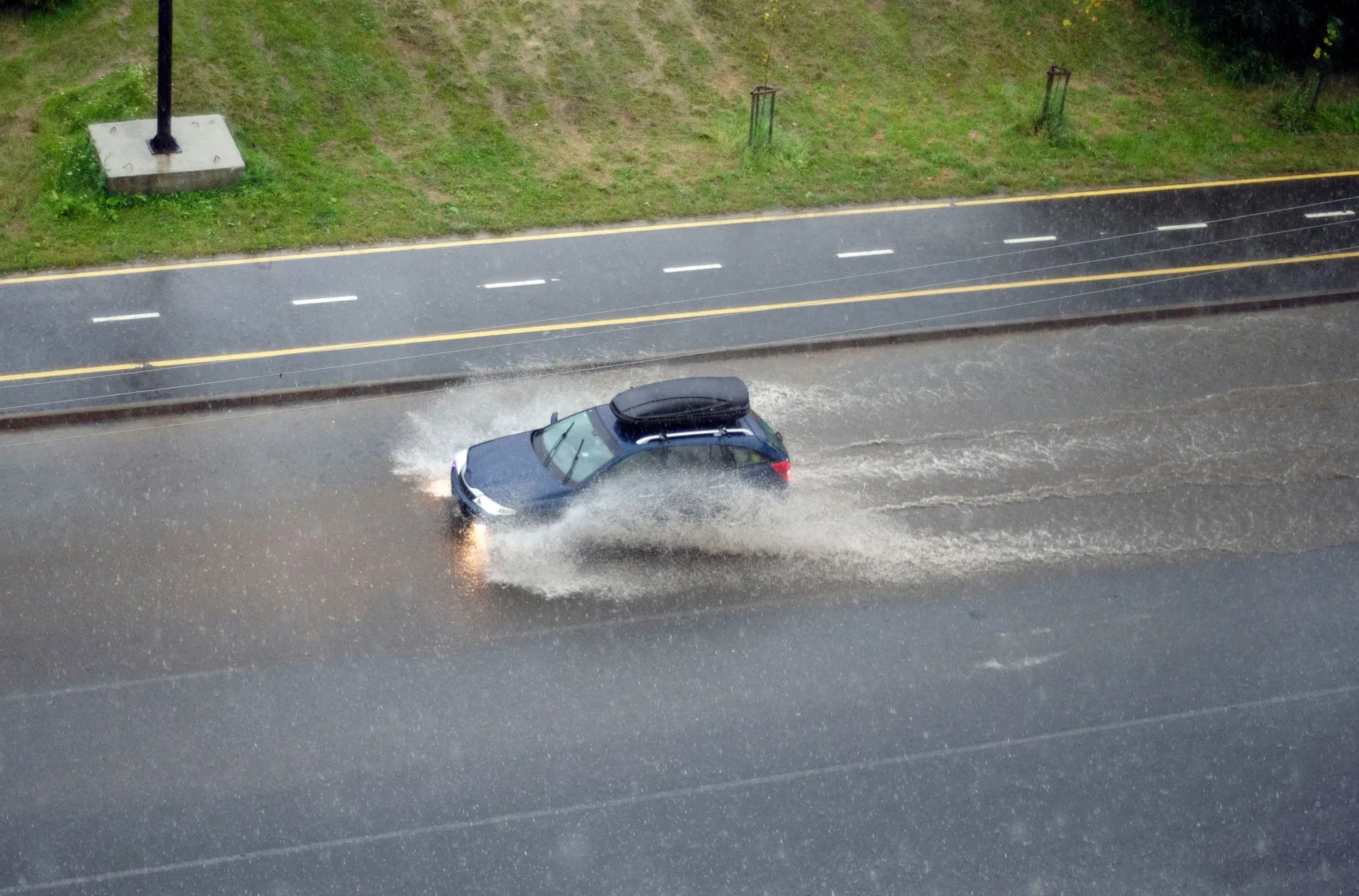
Driving in wet weather always carries extra risks, but if your tires are worn, the danger of hydroplaning increases dramatically. Hydroplaning occurs when a layer of water builds up between your tires and the road, causing a sudden loss of traction. When that happens, your car can slide or skid uncontrollably, even if you’re driving carefully.
New tires are designed with deep grooves and tread channels that push water away from the contact surface, keeping your vehicle stable. But as tires wear down, they lose that ability, making it much easier to hydroplane, especially at highway speeds or during heavy rain.
How Tire Tread Affects Hydroplaning
Your tire’s tread pattern is specifically engineered to move water out from under the tire. When the tread wears away, those grooves become shallower, and the tire can’t clear water as efficiently. The result? Your tires start to “float” on top of the water rather than gripping the road.
Even a small reduction in tread depth can make a big difference. The less tread you have, the more likely you are to lose traction in wet conditions, particularly when driving through puddles or standing water.
When Do Worn Tires Become Dangerous?
Legally, tires are considered unsafe once the tread depth reaches 2/32 of an inch, but hydroplaning risks start increasing much earlier. Most safety experts recommend replacing tires when tread depth drops to 4/32 of an inch for optimal wet-weather performance.
You can quickly check at home using the penny test: insert a penny into the tread with Lincoln’s head upside down. If you can see the top of his head, your tread is too low, it’s time for new tires.
Other Factors That Increase Hydroplaning Risk
While worn tires are a leading cause, several other factors play a role:
- Speed:Driving too fast in the rain prevents water from being dispersed quickly enough. Always reduce speed during wet conditions.
- Tire Pressure:Underinflated tires can’t maintain proper contact with the road, increasing the risk of sliding.
- Road Conditions:Standing water, oil buildup, and smooth pavement surfaces make hydroplaning more likely.
Keeping your tires properly inflated and slowing down during rain are simple but powerful ways to reduce your risk.
The Dangers of Hydroplaning
When your tires lose contact with the road, you lose control of your vehicle, period. Hydroplaning can cause sudden skidding, fishtailing, or complete loss of steering. If it happens, stay calm: ease off the accelerator, avoid braking suddenly, and gently steer in the direction you want the car to go until traction returns.
Still, prevention is always the best defense.
Why Replacing Worn Tires Matters
Worn tires don’t just increase hydroplaning risks, they also affect braking distance, cornering, and handling in all conditions. Wet roads already reduce grip, and bald tires can double your stopping distance.
Replacing your tires before they reach a critical wear point isn’t just about performance, it’s about safety.
Protect Yourself with a Tire Inspection at Tire Empire
If your car slips or feels unstable during rain, don’t take chances. Visit Tire Empire in Jacksonville, FL, for a professional tire inspection and expert recommendations on replacement options.
We’ll help you find the right tires for your driving needs and budget, so you can stay confident on the road, no matter the weather.
Call or stop by today to schedule your tire inspection!