 1568 Reviews



How to Read the Numbers on Your Tires

January 31, 2025
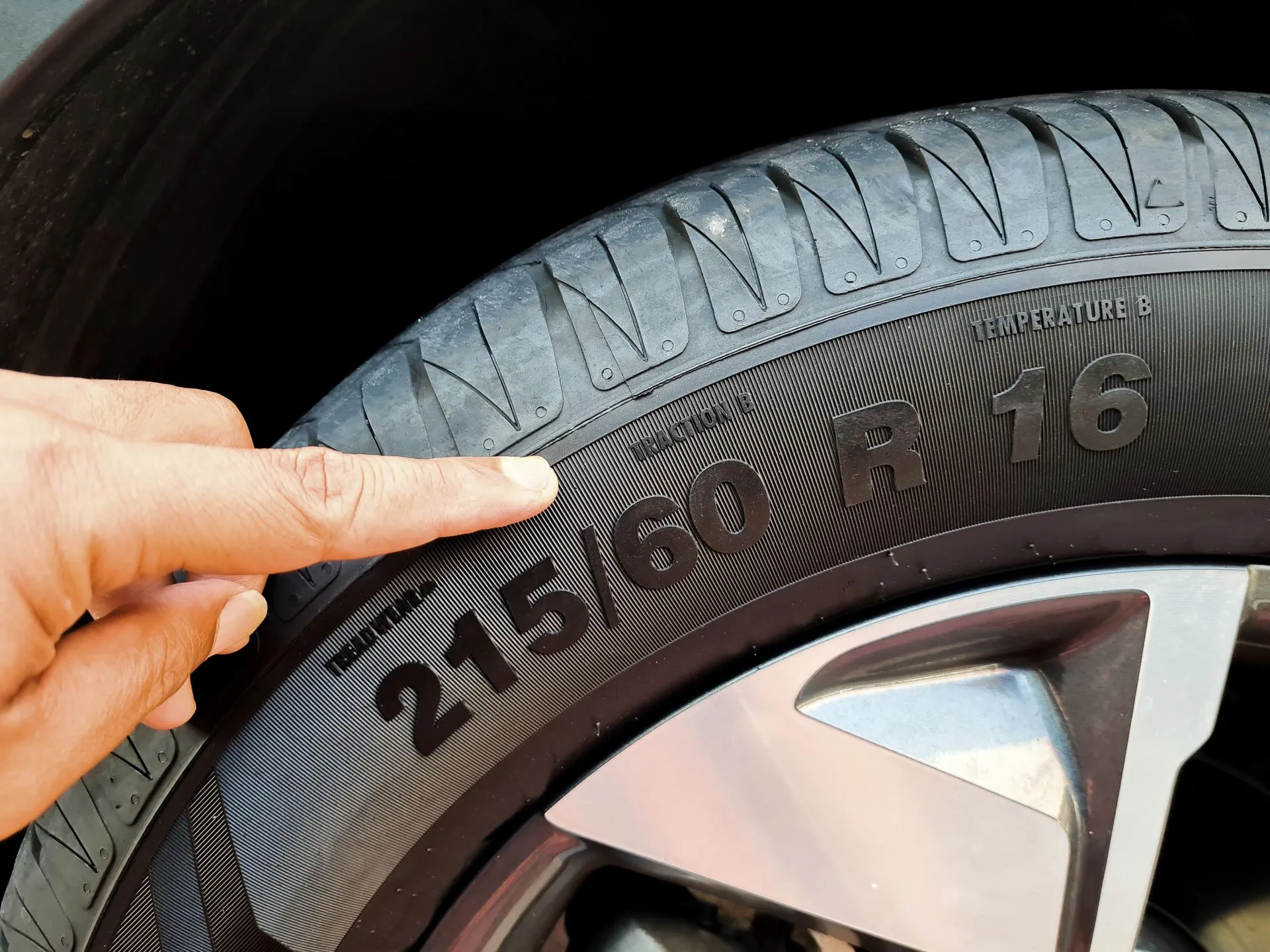
Your car’s tires do more than keep you rolling, they’re full of valuable information that tells you everything about your vehicle’s safety and performance. Those letters and numbers printed on the tire’s sidewall might look confusing at first, but they reveal key details about size, type, speed rating, and more.
Understanding how to read these numbers helps you choose the right tires, maintain safety standards, and even improve your car’s handling and fuel efficiency.
What Tire Numbers Mean
Every driver should have a basic understanding of what the tire markings represent. They provide important information about the tire’s width, aspect ratio, construction, load capacity, and speed rating, all of which affect how your vehicle performs on the road.
For drivers in Jacksonville, FL, where roads can get hot and rainstorms are frequent, knowing how to pick the right tires can make a major difference in safety and traction.
Breaking Down the Tire Code
Here’s a common example you might see on a tire’s sidewall: P215/45R17 96H.
Each part of this code has a specific meaning:
- P: Indicates the tire type. “P” means it’s for passenger vehicles. “LT” stands for light truck tires.
- 215: The tire’s width in millimeters, measured from sidewall to sidewall. Wider tires offer more grip but may slightly reduce fuel efficiency.
- 45: The aspect ratio, meaning the height of the tire’s sidewall is 45% of its width.
- R: Denotes radial construction, the most common and durable tire design today.
- 17: The diameter of the wheel (in inches) that the tire fits.
- 96: The load index, showing the maximum weight the tire can safely carry.
- H: The speed rating, indicating the top speed the tire can handle under ideal conditions (H = up to 130 mph).
Load Index and Speed Rating Explained
The load index and speed rating are often overlooked, but they play a huge role in safety and vehicle performance.
- The load indextells you how much weight the tire can safely support. Overloading can cause excessive wear, heat buildup, or even a blowout.
- The speed ratingshows the maximum safe speed for the tire. Choosing the correct rating helps maintain handling, braking, and overall control.
If you frequently drive on highways or carry heavy loads, always select tires that meet or exceed your vehicle’s factory specifications.
Tire Age and Wear Indicators
In addition to the main tire code, check for the DOT (Department of Transportation) number on the sidewall. The last four digits indicate the manufacturing date. For example, 4121 means the tire was made in the 41st week of 2021.
Even if your tread looks fine, tires degrade over time due to heat, UV exposure, and internal drying. Most experts recommend replacing tires every six years, regardless of appearance.
Modern tires also include tread wear indicators, small raised bars in the grooves. When the tread wears down to these bars, it’s time for a replacement to maintain traction and safety.
Get Expert Tire Advice in Jacksonville, FL
Understanding tire numbers is one thing, choosing the right ones for your car is another. At Tire Empire in Jacksonville, FL, our team helps you select, inspect, and maintain the best tires for your driving needs and local conditions.
Whether you need new tires, an inspection, or professional advice, we’re here to make sure your car stays safe and road-ready.
Stop by or call today to schedule your tire service with Tire Empire!